

Canada's Wildfires: Smoke Chokes U.S. Cities Amid Climate Change Impact
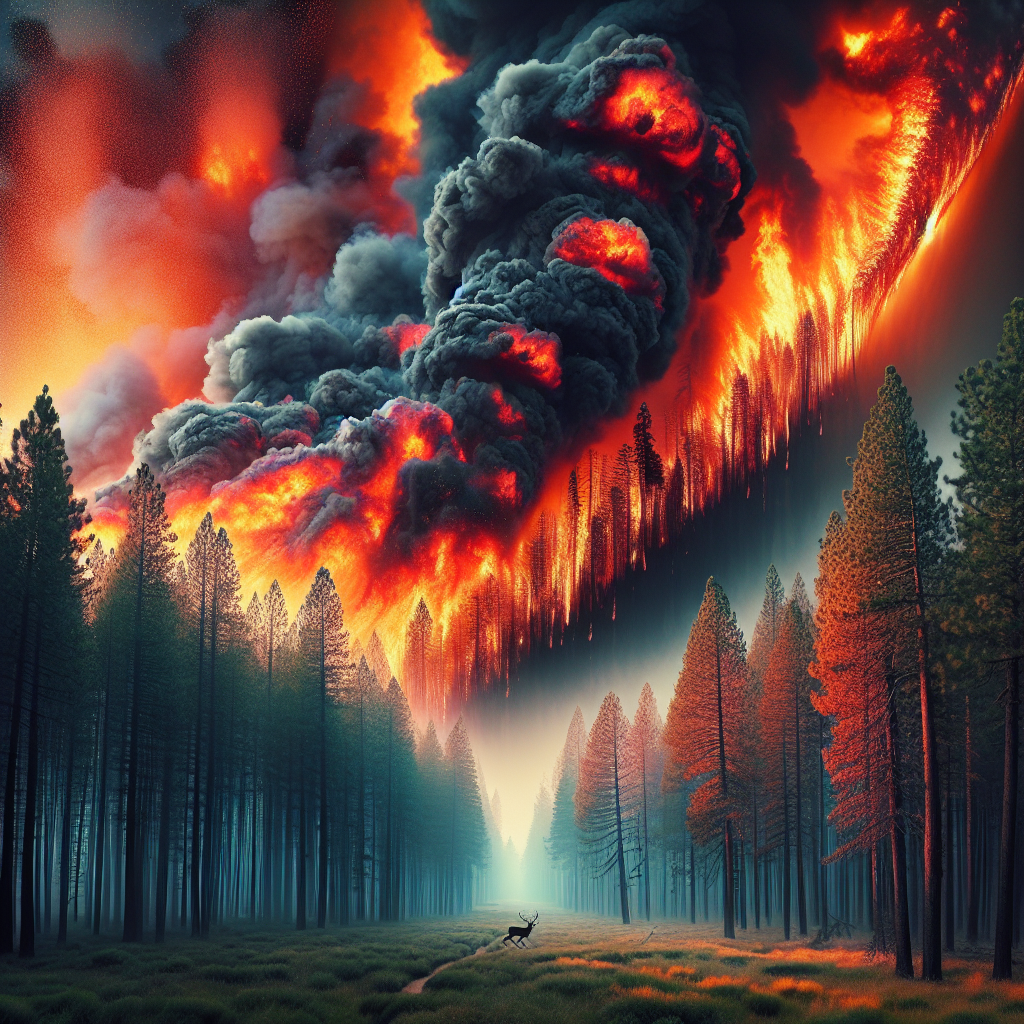
Smoke from Canadian wildfires has enveloped parts of the U.S. from the Midwest to the Northeast, creating hazardous air conditions. Major cities like Detroit, Minneapolis, and Toronto faced severe pollution levels. Officials urged residents to remain indoors as smoke worsened. Climate change is intensifying such wildfire events.
- Country:
- United States
Heavy smoke from Canadian wildfires has engulfed large areas of the U.S. Midwest and Northeast, prompting officials to issue health warnings across multiple states. As pollution levels soared, notably in Detroit which recorded the world's worst air quality, residents were advised to stay indoors to avoid the noxious air.
The unprecedented smoke, stemming from 858 active wildfires in Canada, disrupted life in major cities including Minneapolis, Milwaukee, and Toronto, with air quality deemed 'hazardous.' Experts linked the surge in wildfires to climate change, with smoke lingering over urban areas and threatening public health.
In response, cities like New York distributed KN95 face masks, urging vulnerable groups to take extra precautions. As the skies turned an unsettling orange, the approach of a major sporting event underscored the smoke's wide-reaching implications. Climate scientists warned such occurrences may become more frequent with rising global temperatures.
ALSO READ
-
Potential EU Partnerships Stir International Debate
-
Canada's Cinematic Potential: Andrew Haigh Champions Alberta's Film Industry
-
Canadian Trade Minister Heads to India for Pivotal Economic Talks
-
Global Politics in Motion: Unpacking Recent Diplomatic Developments
-
Canada and Europe Forge Strategic Alliance Amidst Global Power Play


 Google News