

Frogs, Rockets, and Extended Space Journeys: Key Science Updates
Recent science news highlights include the threat to Chile's 'living fossil' frog from climate change, Japan's Space One rocket failure, and the extended return mission of NASA astronauts from the ISS. The Helmeted Water Toad in Chile is losing habitat to climate change. Japan's private space ambitions face a setback with a failed rocket launch, and NASA astronauts face a prolonged stay on the ISS due to capsule issues.
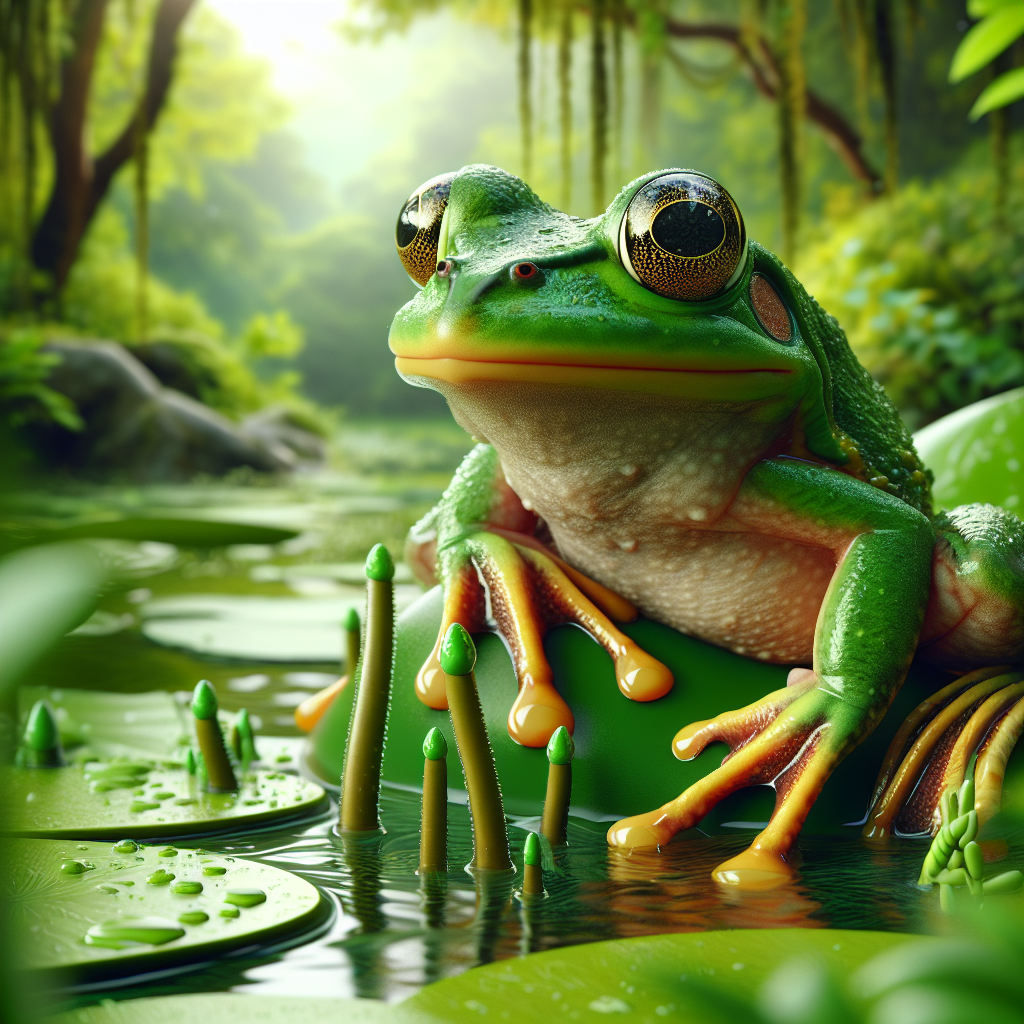
In a series of intriguing science updates, Chile's iconic 'living fossil' frog, known as the Calyptocephallela gayi or Helmeted Water Toad, faces threats from climate change and human activity. This giant frog species, a relic from the dinosaur era, is struggling as its native habitat in Chile dwindles.
On the technological front, Japan's Space One encountered a major setback when its Kairos rocket failed shortly after liftoff. This marked the second unsuccessful attempt within nine months for the company to deliver a satellite into space using a domestically developed rocket.
Meanwhile, NASA's astronauts Suni Williams and Butch Wilmore will have their return journey from the International Space Station delayed until late March. Initially scheduled for an eight-day trip, their mission will now extend to over nine months due to complications with the return capsule.
ALSO READ
-
Mozambique Shapes New Climate Strategy to Protect Communities From Extreme Weather
-
Climate Change Is Deepening the Crisis for Millions Living Without a Nationality Today
-
Tunisia’s Water Crisis Puts Jobs and Growth at Risk as Economic Recovery Loses Speed
-
Climate Data Gaps Leave Communities Searching for Clear Answers to Growing Local Risks
-
Marshall Islands Rights Defenders Seek Justice Across Generations, UN Expert Says


 Google News