

Germany's Strategic Shift: Embracing India's Market Potential
Chancellor Olaf Scholz leads a delegation to New Delhi, aiming for stronger economic ties with India as part of Germany's strategy to reduce reliance on China. German companies are optimistic about India's potential despite bureaucratic hurdles. Investments in India are expected to increase significantly by 2030.
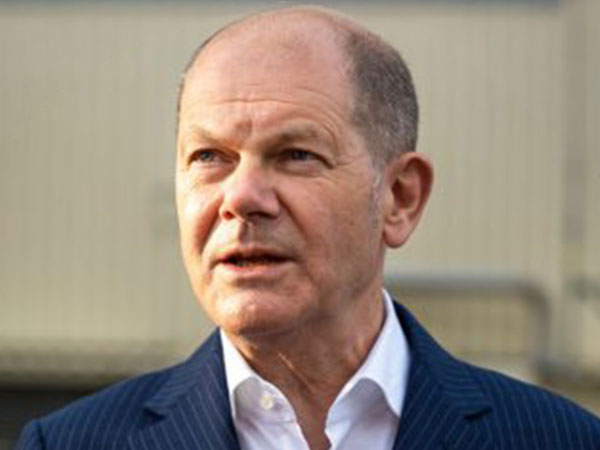
Chancellor Olaf Scholz is leading a high-profile delegation to New Delhi this week, eyeing India's vast market as a strategic alternative to China's. The move comes as Germany seeks to diversify its economic partnerships amid a downturn in its export-reliant economy.
German companies are betting on India's growth prospects, drawn by its skilled workforce, lower costs, and robust economic trajectory. Scholz's visit is critical as Germany navigates trade uncertainties with China, aiming to enhance its economic footprint in India.
Despite challenges like bureaucracy and tax complexity, German firms are optimistic about expanding their investments in India. The expected growth rate of these investments has the potential to significantly shore up Germany's economic strategies, highlighting India's role as a 'China + 1' partner.
ALSO READ
-
Cleaner Kitchens, Polluted Skies: Hidden Health Cost of India’s Electricity Boom
-
Japan-Backed ILO Projects Help 23,000 Workers Gain Rights and Fight Child Labour
-
India's Delicate Balancing Act: Navigating Energy Security Amid Middle Eastern Tensions
-
India Gears Up for Glory: Asian Games 2026 Preview
-
Reclaiming National Pride: Klopp’s Call for 'Positive Patriotism'


 Google News