

India Poised for Semiconductor Revolution with 2D Materials Research
India could lead the semiconductor industry by exploring 2D materials, says a NITI Aayog report. The integration of semiconductor policy and 2D materials could secure India's position at the forefront of technological advancement, despite current limitations in research and development.
- Country:
- India
A new report from NITI Aayog highlights India's potential to take a leading role in the semiconductor industry through innovative research into two-dimensional (2D) materials. This technological edge could see India emerge as a leader in post-silicon technologies, utilizing the convergence of semiconductor policy and 2D materials research.
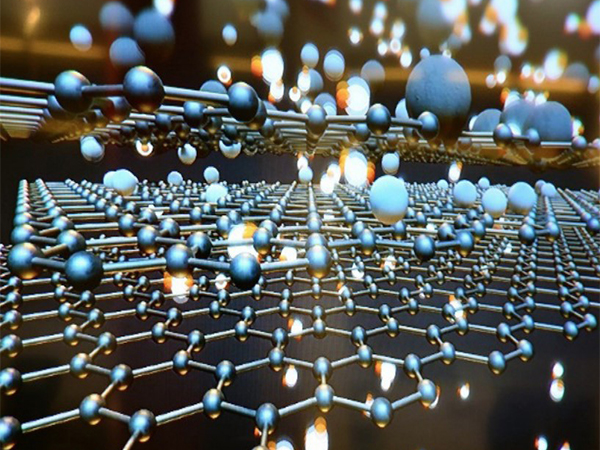
According to NITI Aayog, the benefits of 2D materials could revolutionize the field, introducing groundbreaking concepts such as ultra-efficient CPUs and GPUs that dramatically reduce energy consumption. These crystalline substances, only one to a few atomic layers thick, offer superior electronic, optical, and mechanical properties compared to traditional three-dimensional materials.
The report acknowledges India's potential impact but warns that the country's current stage in 2D materials research is still developing. While there is significant work on materials synthesis and device characterization, India must advance to wafer-scale integration and deployable device prototypes to fully capitalize on these groundbreaking innovations.
ALSO READ
-
Cleaner Kitchens, Polluted Skies: Hidden Health Cost of India’s Electricity Boom
-
Japan-Backed ILO Projects Help 23,000 Workers Gain Rights and Fight Child Labour
-
India's Delicate Balancing Act: Navigating Energy Security Amid Middle Eastern Tensions
-
India Gears Up for Glory: Asian Games 2026 Preview
-
India Defends Energy Policy Amidst Rising Tariff Threats from U.S.


 Google News