

EU's Frozen Assets Move: Ukraine's Path to Financial Stability
European Union leaders are discussing using proceeds from immobilised Russian assets to support Ukraine's financial needs. The potential 'reparations loan' faces legal challenges, with Belgium seeking financial risk-sharing. Ukraine anticipates significant budget deficits and needs substantial external aid to finance defense and economic efforts.
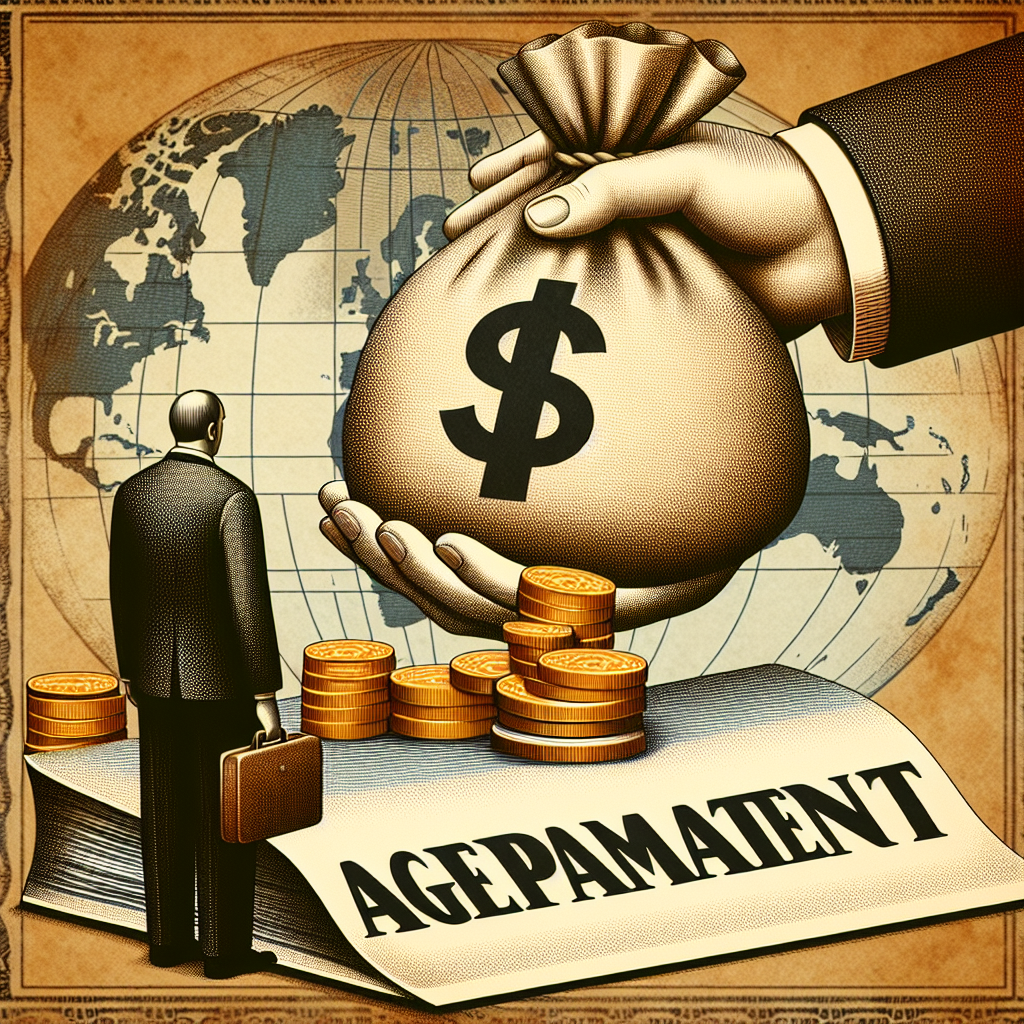
European Union leaders are set to assess proposals on utilizing proceeds from immobilized Russian sovereign assets, chiefly held in Belgium, to bolster Ukraine's financial requirements in the upcoming years, referred to as the 'reparations loan.'
However, a key issue remains Belgium's stipulation for other EU nations to share financial risks if Russia successfully sues Belgium or the central securities depository Euroclear. President Volodymyr Zelenskiy has urged European unity on frozen assets, emphasizing Ukraine's financial hardships and inability to sustain economic strength without such funding.
Notably, the International Monetary Fund (IMF) estimates Ukraine's financial needs at around 135 billion euros for 2026 and 2027. Within this context, the Ukrainian state budget for next year anticipates a spending of 4.8 trillion hryvnias against a revenue of 2.9 trillion hryvnias, prompting the need for more than $45 billion in external funding to cover a significant budget deficit, particularly for defense expenditure.
ALSO READ
-
Lebanon’s Small Business Owners Build Skills and Market Links With EU and ILO Support
-
KSrelief and UNDP Launch $5M Lifeline for Ukraine’s War-Affected Hospitals
-
Poltava University Reopens With Safer, Greener Spaces for Nearly 3,000 Campus Users
-
UNDP Urges Recovery From Day One as 160 Million People Risk Being Trapped in Crisis
-
UNESCO and EU Put Trusted News and Free Expression at the Heart of Mediterranean Pact


 Google News