

AfDB Backs Morocco’s First Integrated Battery Gigafactory
African Development Bank Vice President Kevin Kariuki described battery storage as a key part of Africa’s clean-energy transition.
- Country:
- Morocco
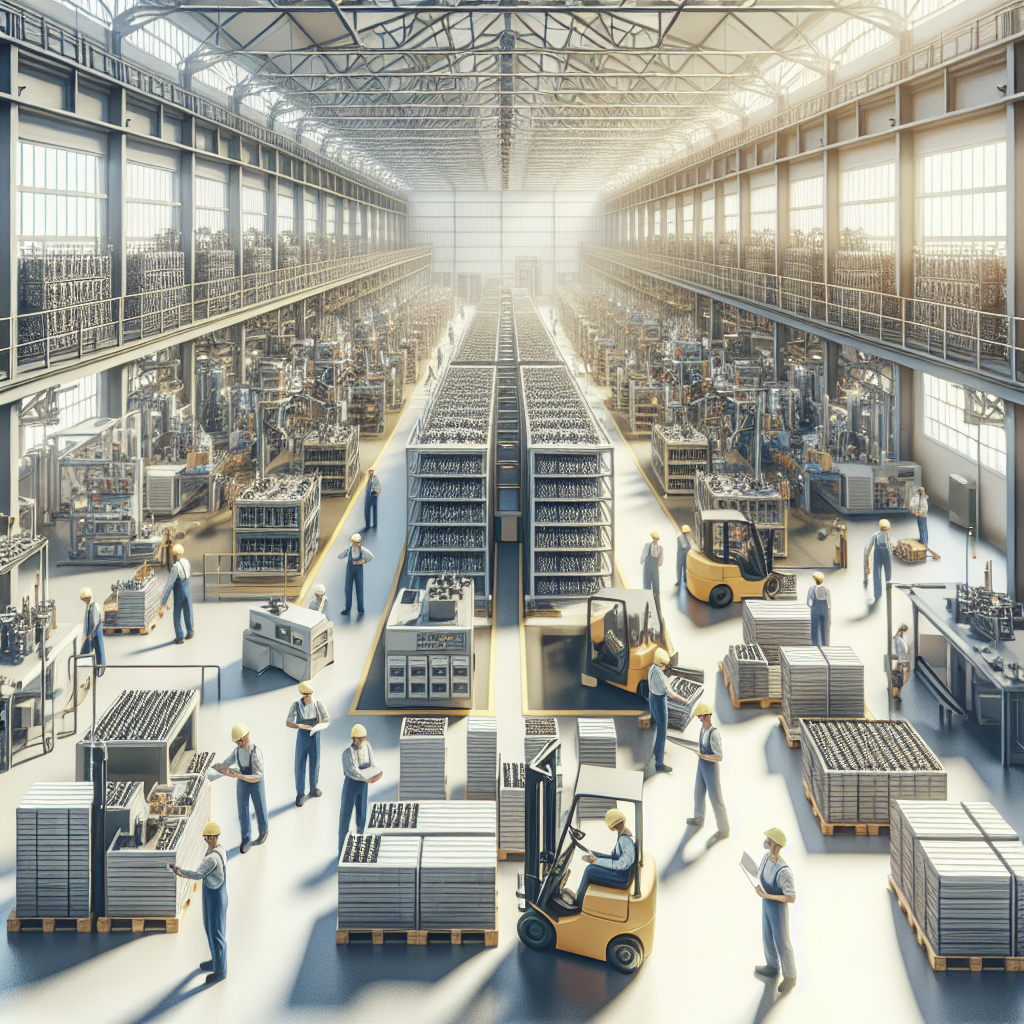
The African Development Bank Group has approved a €100 million loan for Gotion Power Morocco to develop an integrated lithium iron phosphate battery gigafactory in the Rabat-Salé-Kénitra Free Trade Zone. The project is set to become the first integrated battery manufacturing facility in Africa and the Middle East and North Africa region. The Bank also plans to mobilise up to €141 million from financial partners, acting as mandated lead arranger under the New African Financial Architecture for Development.
Facility will produce batteries for electric vehicles
Gotion High-Tech, a Chinese battery manufacturer headquartered in Hefei, is leading the investment. In its first phase, the plant will have capacity to produce 10 gigawatt-hours of lithium iron phosphate battery cells and packs for electric vehicles. The project has plans to expand its capacity to 100 GWh in later stages. This would place Morocco among the continent's major manufacturing locations for electric mobility technologies and related clean-energy supply chains.
Lithium iron phosphate batteries are increasingly used in electric vehicles and stationary energy storage because of their durability, safety profile and lower dependence on some critical minerals used in other battery chemistries.
Renewable power and storage can support cleaner grids
African Development Bank Vice President Kevin Kariuki described battery storage as a key part of Africa's clean-energy transition. Storage systems can hold electricity generated by solar and wind projects, making power available when renewable output falls and helping grids manage changing demand. The gigafactory is expected to be powered mainly by renewable energy. The Bank said the investment can support more reliable low-carbon electricity, stronger clean-energy value chains and green industrial employment.
Local manufacturing could build wider supply chains
The first phase is expected to create more than 600 direct jobs and reach a local industrial integration rate of 70 per cent. This can support skills development, local suppliers and businesses involved in components, logistics, engineering and technical services. The facility is also expected to encourage local beneficiation of critical minerals, allowing more value to be created within Africa rather than exporting raw materials for processing elsewhere.
Morocco strengthens its green industry ambitions
The investment supports Morocco's push to become a manufacturing hub for sustainable mobility and green technology. It also aligns with the African Development Bank's strategy to build resilient infrastructure, accelerate industrialisation, add value to natural resources and strengthen regional integration.
By producing batteries closer to growing electric vehicle and renewable-energy markets, the project could help Africa gain a stronger place in global clean-energy supply chains while advancing its shift toward a lower-carbon economy.
ALSO READ
-
Côte d’Ivoire Secures $24 Million to Restore Forests and Support Rural Communities
-
AfDB Places KEEPS Construction Under 12-Month Compliance Order After Fraudulent Practice
-
Central Africa Faces $35.6 Billion Funding Gap as Growth Forecasts Signal Steady Gains
-
Benin’s Growth Surges as $2.43 Billion Annual Funding Need Shapes Its Economic Future
-
Free AI Training Opens Doors for African Public Officials to Build Smarter Services


 Google News