

Trump's Blockade: A Bold Move Against Venezuela
U.S. President Donald Trump ordered a complete blockade of sanctioned oil tankers to pressure Venezuela's government. This move has sparked legal debates and increased tensions, with potential impacts on oil prices and regional stability. The blockade could significantly affect Venezuela's economy and global oil markets.
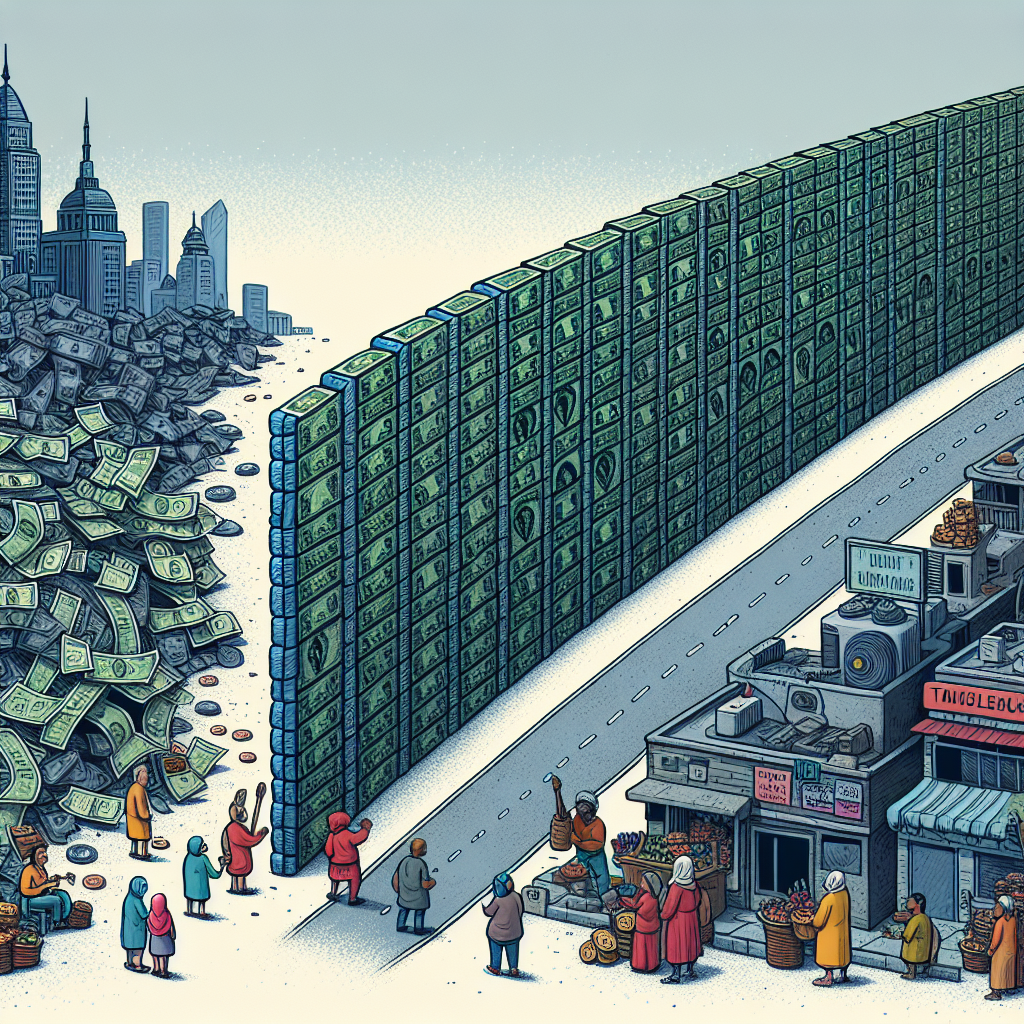
In a dramatic escalation of foreign policy, U.S. President Donald Trump has ordered a comprehensive blockade of all sanctioned oil tankers entering or leaving Venezuela. This latest maneuver is part of Washington's intensified pressure campaign against Nicolas Maduro's government, targeting the country's principal revenue stream.
Following Trump's declaration, U.S. crude futures witnessed an immediate rise, reflecting market anticipation of further disruptions in Venezuelan exports. However, questions loom over the legal legitimacy and the enforcement measures of such an extensive blockade. Elena Chachko, a law scholar from UC Berkeley, outlines the significant legal hurdles this strategy could encounter.
While some argue that the blockade constitutes an act of war, others highlight its potential to further isolate Venezuela economically. The international community remains attentive as this development unfolds, understanding its broader implications on global oil supply and Latin American geopolitical dynamics.
ALSO READ
-
UN expert urges Venezuela to weigh integrity in choosing Supreme Court justices
-
Iran vows to break US naval blockade, claims full control over Strait of Hormuz: MP Esmaeil Kowsari
-
Trump signs Florida major disaster declaration after "record-setting rains," pledges to expedite FEMA aid
-
Ukraine war, Melania's short-term ceasefire, Iran nuclear threat, Greenland: Trump details Mar-a-Lago talks with NATO chief
-
US political gridlock unlikely to rein in federal spending, may keep borrowing high: Report


 Google News