

UN Warns Ebola Outbreak Threatens Indigenous Communities in DR Congo and Uganda
The experts also stressed that the specific challenges faced by Indigenous communities must be recognised from the beginning rather than treated as an afterthought.
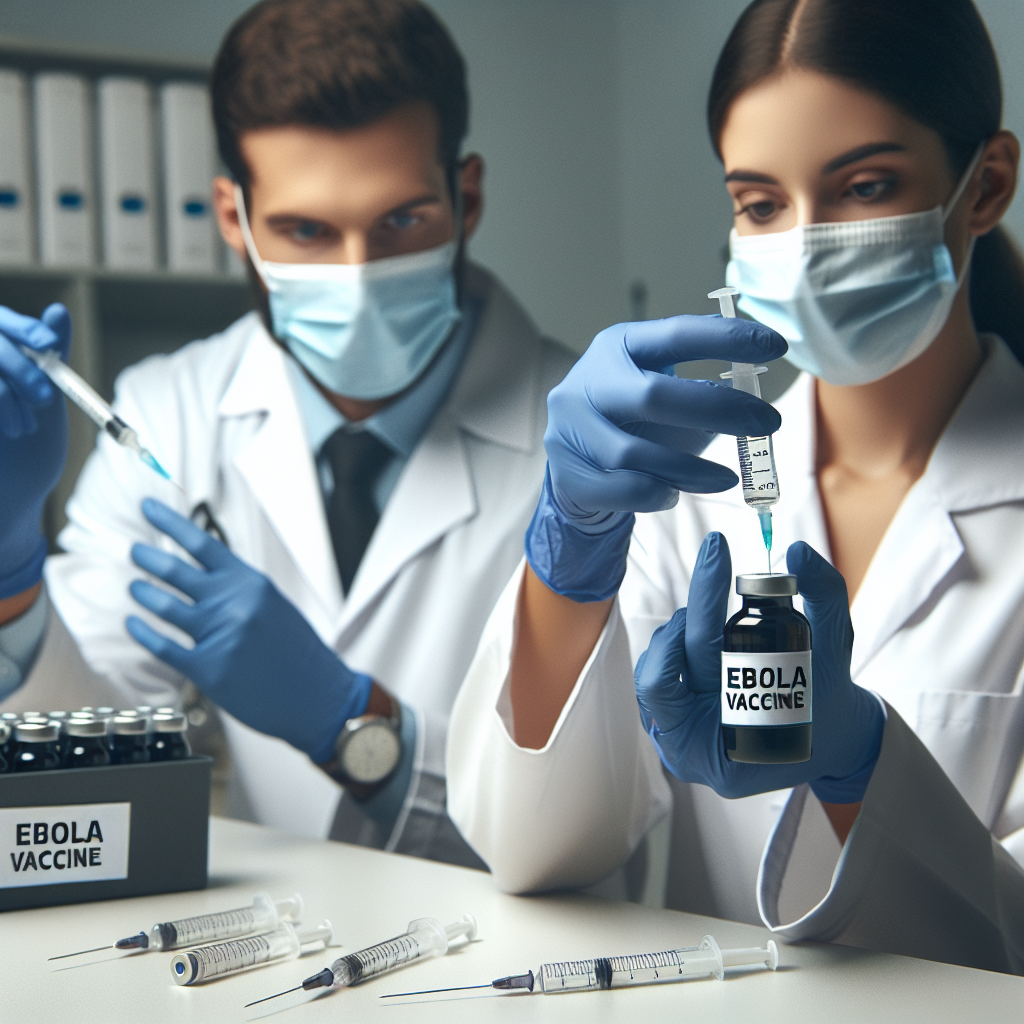
United Nations human rights experts have voiced serious concern over the renewed spread of the Ebola virus in the Democratic Republic of the Congo (DRC) and Uganda, warning that Indigenous communities are among those most vulnerable to the deadly disease.
The experts noted that many of the affected areas are located within or close to Indigenous territories, placing these populations at greater risk as health authorities work to contain the outbreak. They stressed that the resurgence of Ebola is not only a public health emergency but also a human rights issue, particularly for communities that already face social and economic disadvantages. According to the experts, Indigenous Peoples often experience barriers that make it harder to access healthcare, information and emergency support during disease outbreaks.
Pygmy Communities Among the Most Vulnerable
Particular concern has been raised for Pygmy Indigenous Peoples living in parts of Central Africa. These communities often rely heavily on forests and traditional lands for their livelihoods, cultural identity and daily survival. Many Indigenous families live in remote areas where health services can be difficult to reach, making early diagnosis and treatment more challenging. Their mobile way of life can also create additional obstacles when public health agencies attempt to deliver healthcare services or disease prevention programmes.
Human rights experts say these long-standing inequalities increase the risk of infection and can make recovery efforts more difficult for affected communities.
Calls for Fair and Inclusive Health Responses
The experts welcomed efforts already being undertaken by governments and health agencies to control the outbreak. They are urging countries, international organisations and United Nations agencies to ensure Indigenous Peoples receive equal access to healthcare, medical treatment and prevention measures.
They emphasised that outbreak responses should respect the rights of Indigenous Peoples and take cultural differences into account when designing health interventions. Access to healthcare, protection from discrimination and respect for cultural identity should remain central to any response strategy.
The experts also stressed that the specific challenges faced by Indigenous communities must be recognised from the beginning rather than treated as an afterthought. They argue that more targeted support is needed to ensure vulnerable groups are not left behind as governments work to contain the spread of Ebola.
As health authorities continue monitoring the situation in the DRC and Uganda, the UN experts say protecting Indigenous communities will be critical to reducing the human toll of the outbreak and ensuring a more effective public health response overall.


 Google News