

Iran Strikes and Their Ripple Effect on North Korea's Nuclear Stance
Recent U.S. and Israeli strikes on Iran may push North Korean leader Kim Jong Un to re-evaluate his nuclear strategy and consider returning to negotiations with the United States. Despite past failed talks, the geopolitical situation and security dynamics could drive Kim back to the discussion table.
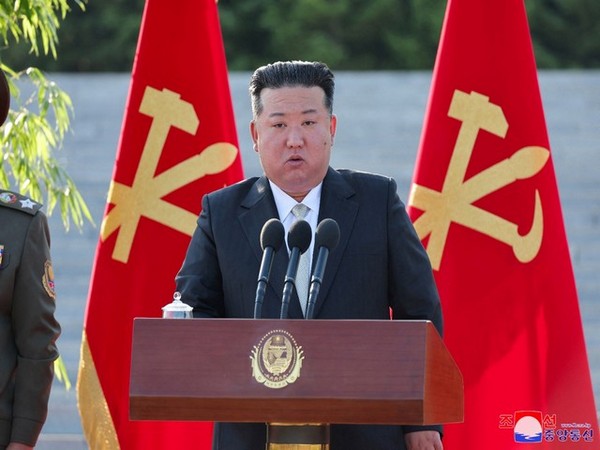
The impact of recent U.S. and Israeli military strikes on Iran is resounding across the globe, particularly in North Korea, where leader Kim Jong Un may rethink his nuclear strategy. Experts suggest these events may lead to a renewed interest in negotiations with the U.S., after past talks ended without resolution.
Kim's awareness of Iran's downfall without nuclear arms could be a decisive factor. The strikes, which resulted in the death of Iran's Supreme Leader, come shortly after the capture of Venezuela's president, intensifying Kim's presumed intent to bolster his nuclear deterrent.
Even with North Korea's advanced nuclear capabilities, the prospect of dialogue remains viable, mainly if Kim sees value in leveraging his relationship with President Trump. This diplomatic dance unfolds amid strengthening ties between Pyongyang and global powers like China and Russia.


 Google News