

Supreme Court Strikes Down Hawaii Law on Handgun Carrying
The U.S. Supreme Court invalidated a Hawaii law requiring explicit consent from property owners to carry handguns on private property open to the public. The 6-3 decision found the law unconstitutional under the Second Amendment, leading to potential nationwide implications for similar state laws.
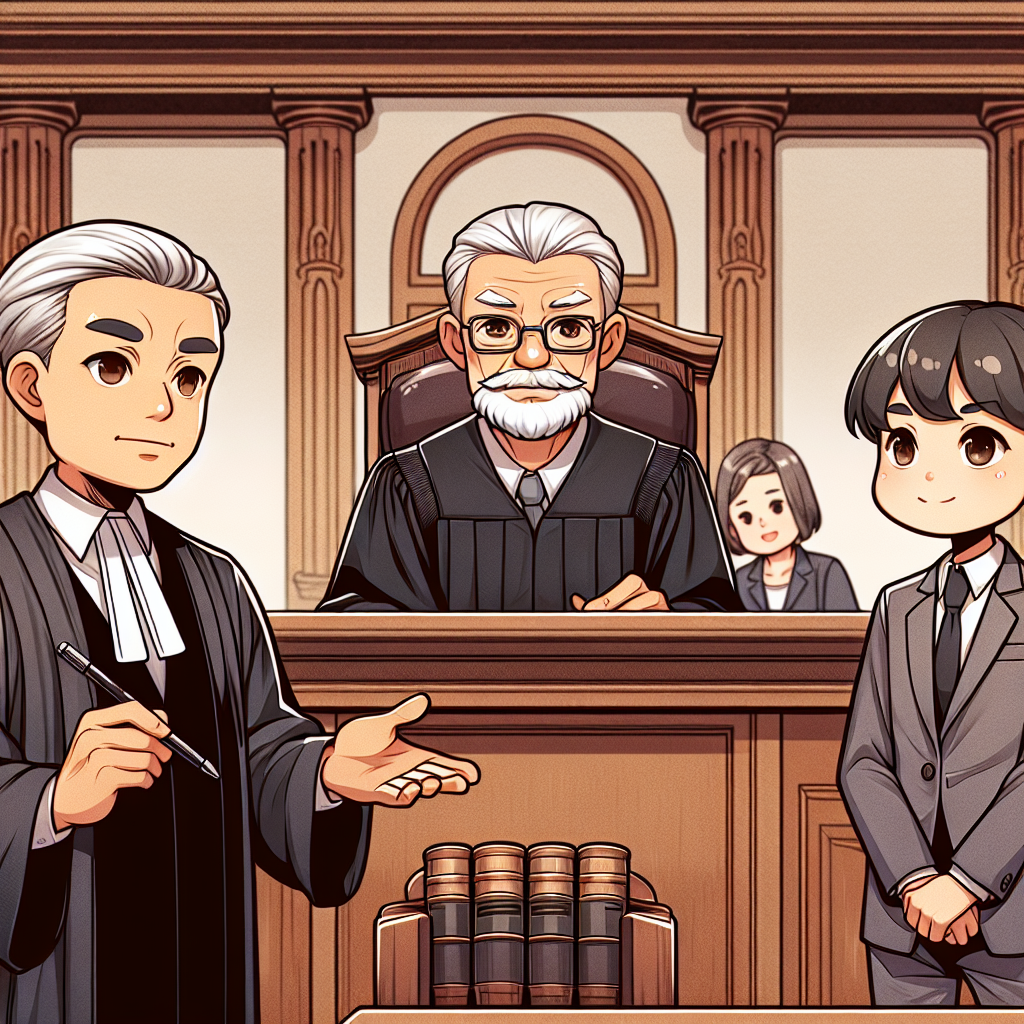
The U.S. Supreme Court has struck down a Hawaii law that restricted carrying handguns on private property open to the public without the owner's explicit permission. The landmark 6-3 ruling, driven by the court's conservative majority, determined that the law violates the Second Amendment, which protects the right to keep and bear arms.
Hawaii's law required gun owners to seek express authorization before carrying a handgun onto such properties. Justice Samuel Alito stated that this measure undermined Second Amendment protections essential for self-defense. The Supreme Court's decision has far-reaching implications, potentially affecting similar laws in other states.
This decision comes amidst ongoing national debates regarding gun rights and safety. While conservatives hailed the ruling, liberal justices dissented, citing concerns that it prioritizes firearm access over broader legislative intentions. Hawaii's Attorney General's office expressed disappointment but vowed to continue seeking balanced firearms regulation.


 Google News