

Auto Industry Backs E20 Fuel, Says Existing Vehicles Are Safe
- Country:
- India
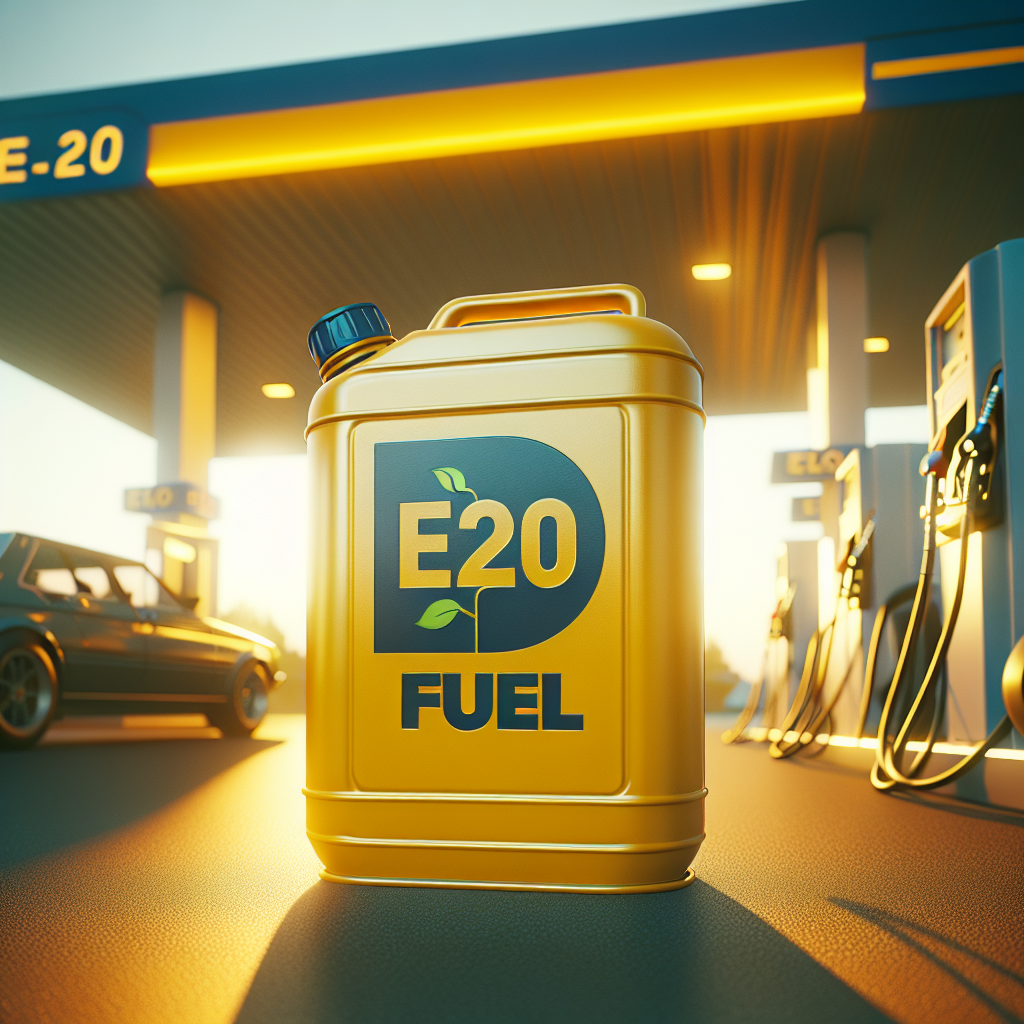
The government's E20 ethanol-blended petrol programme has received strong backing from leading automobile manufacturers and energy experts, who have assured vehicle owners that the fuel is safe for use and has undergone extensive scientific testing before being introduced across the country. During a joint press conference in New Delhi, experts from the automobile and energy sectors said the shift to E20 has been carefully planned over several years and is based on rigorous research, international standards and extensive field experience.
The press conference was organised by the Ministry of Petroleum and Natural Gas in collaboration with the Ministry of Heavy Industries and the Ministry of Road Transport and Highways. Senior representatives from Toyota Kirloskar Motor, Maruti Suzuki, Hero MotoCorp, TVS Motor Company, Hyundai Motor India, Bajaj Auto and Engineers India Limited participated in the discussion, answering questions related to vehicle safety, performance and fuel efficiency.
Industry says E20 has been thoroughly tested
Toyota Kirloskar Motor Country Head and Executive Vice President Vikram Gulati said the automobile industry follows some of the world's strictest testing and certification procedures before any technology reaches customers. He explained that ethanol has been used as a clean, high-performance fuel for more than a century and has even powered Formula racing vehicles.
According to Gulati, India's decision to introduce E20 fuel was taken only after detailed testing on both new and older vehicles. He clarified that recently introduced E85 dispensing stations are intended exclusively for flex-fuel vehicles and should not be confused with the nationwide rollout of E20 petrol.
Addressing concerns over testing standards, he said vehicle testing protocols are based on internationally accepted regulations under the United Nations Economic Commission for Europe (UNECE). The agencies responsible for testing are globally accredited and also certify vehicles manufactured in India for export markets, ensuring that quality and safety standards remain consistent across countries.
Former Engineers India Limited Chairperson and Managing Director Vartika Shukla said the ethanol blending programme was developed after consultations with multiple stakeholders and supported by scientific evidence gathered through extensive testing by automobile manufacturers. She added that E20 petrol fully complies with Bureau of Indian Standards specifications and BS-VI emission norms and is now available at fuel stations across the country. She also pointed out that several nations have successfully used ethanol-blended fuels for many years.
Maruti and Hero cite extensive field experience
Maruti Suzuki Senior Executive Officer Rahul Bharti gave what he described as a "statement of confidence" for customers, saying that vehicles originally designed for E10 petrol have also been tested with E20 fuel across all performance parameters without raising safety concerns.
He shared service data from the company's operations during the 2025-26 financial year, revealing that Maruti Suzuki serviced 2.84 crore vehicles, including more than 1.5 crore cars that were over three years old and therefore not officially E20-certified. Despite this large number of older vehicles, the company did not receive reports of corrosion, excessive wear or damage linked to the use of E20 fuel.
Bharti also addressed concerns about fuel efficiency. He explained that ethanol has a slightly lower calorific value than conventional petrol, resulting in a mileage difference of around 3 to 3.5 percent. For a vehicle delivering 20 kilometres per litre, this translates to a reduction of roughly 0.6 kilometres per litre. He added that everyday factors such as tyre pressure, driving style, gear selection, acceleration, braking habits and vehicle maintenance have a much greater influence on fuel economy than the change from E10 to E20.
He also noted that E20 offers benefits including smoother acceleration, better anti-knocking performance and significantly lower emissions, helping offset the small reduction in mileage.
Hero MotoCorp Chief Business Officer Ashutosh Varma said the company has analysed a large volume of service data from its two-wheelers and found no increase in component damage or reliability issues in vehicles operating on E20 fuel compared with earlier fuel blends.
Government and industry seek to build public confidence
The panel repeatedly stressed that the E20 programme has been introduced in a phased manner with continuous monitoring and testing at every stage. Industry representatives said manufacturers have built sufficient safety margins into vehicle designs and clarified that no retrofit kits for E20 compatibility are being offered commercially, with such technologies remaining under research and development.
Experts also emphasised that ethanol blending supports cleaner transportation by reducing emissions while lowering dependence on imported fossil fuels. The programme is considered an important part of India's broader strategy to improve energy security, promote domestic biofuel production and encourage sustainable mobility.
Concluding the discussion, representatives from the automobile and energy sectors reaffirmed their collective confidence in the E20 programme and assured consumers that the industry will continue addressing public concerns with transparency. They encouraged vehicle owners to rely on scientifically verified information, stating that years of testing and extensive real-world experience demonstrate that E20 fuel is safe, reliable and suitable for widespread use.
ALSO READ
-
Japanese Lawmakers Visit India to See Worker Protection and Skills Projects in Action
-
Indian Unions Push for Fair Recruitment and Rights for Care Workers in Germany
-
Cleaner Kitchens, Polluted Skies: Hidden Health Cost of India’s Electricity Boom
-
Japan-Backed ILO Projects Help 23,000 Workers Gain Rights and Fight Child Labour
-
India's Delicate Balancing Act: Navigating Energy Security Amid Middle Eastern Tensions


 Google News