

New Fishing Rules Introduced to Better Protect Endangered Hoiho
The permanent closure is part of a wider package designed to reduce fisheries-related threats to one of the country's rarest native seabirds.
- Country:
- New Zealand
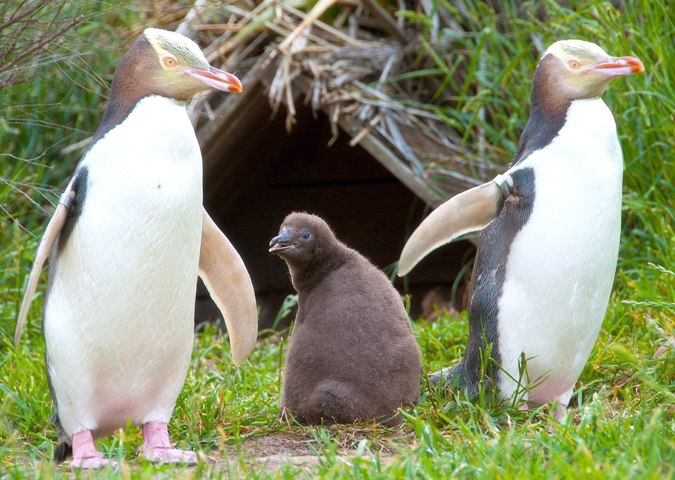
New Zealand is introducing permanent fishing protections for the endangered hoiho, or yellow-eyed penguin, with new long-term measures set to take effect on 16 September 2026.
Oceans and Fisheries Minister Shane Jones announced that the temporary emergency ban on set-net fishing around the Otago Peninsula will become permanent after a review of scientific evidence and public feedback. The decision follows a year of consultation that examined the effectiveness of the temporary restrictions introduced to reduce the risk of accidental penguin deaths.
The permanent closure is part of a wider package designed to reduce fisheries-related threats to one of the country's rarest native seabirds.
New mortality limit strengthens conservation efforts
Alongside the permanent fishing closure, the Government is introducing a new Fishing Related Mortality Limit (FRML), a framework that will allow authorities to respond quickly if accidental captures increase.
The annual mortality limit for the northern hoiho population has been set at four birds. If that limit is approached or exceeded, additional fishing restrictions, including further area closures, can be introduced to prevent further losses.
Jones stressed that the limit is not a goal but a strict threshold intended to encourage fishers to take every possible step to avoid accidental bycatch. The framework is designed to provide a clear trigger for stronger conservation action whenever it becomes necessary.
Fisheries measures address one part of a wider challenge
Hoiho is recognised as a taonga species, and the northern population found across the lower South Island and Rakiura/Stewart Island is classified as nationally endangered. Scientific assessments have indicated that deaths from all causes need to be reduced by half to stabilise the population.
The Minister said the new fishing protections are expected to significantly reduce fisheries bycatch, helping meet that objective. He also noted that fishing is only one of several pressures affecting the species, with disease, predators and food shortages remaining major threats to the penguins' survival.
Reducing accidental capture at sea is considered an important contribution to a broader conservation effort that also requires action on land and within marine ecosystems.
Public consultation helped shape the final decision
Jones thanked individuals, community groups and industry representatives who participated in the public consultation process before the long-term measures were finalised.
The Government believes the permanent closure and the new mortality response framework strike a balance between protecting an iconic native species and providing a clear system for managing fisheries if risks increase in the future.


 Google News