

Mongolia's Livestock Crisis: Dzud Devastates Herders' Livelihoods
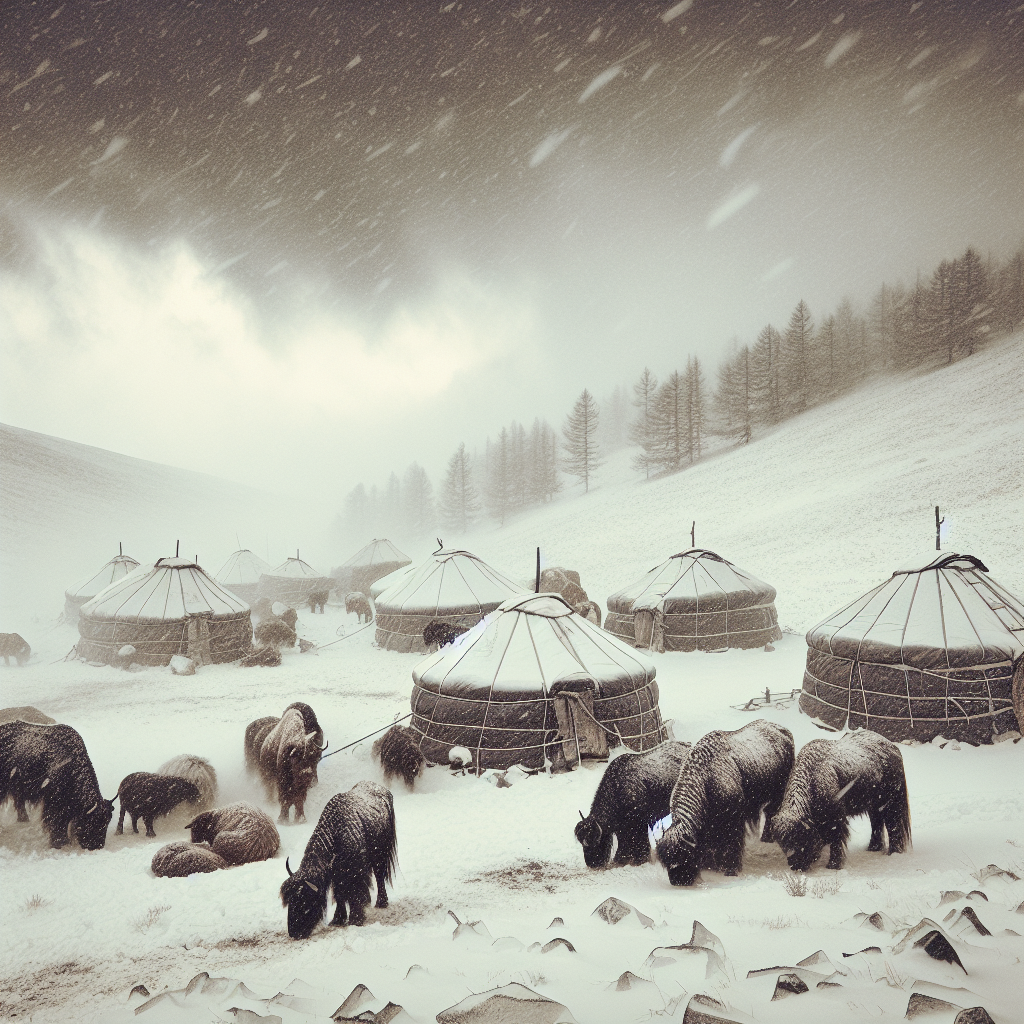
An extreme weather phenomenon called dzud has killed over 7.1 million animals in Mongolia this year, impacting herders' livelihoods and the economy. Dzud, a combination of droughts and severe winters, has become harsher due to climate change. Nomadic herders face increased difficulties, with many losing significant portions of their livestock.
- Country:
- Vietnam
The dzud, a severe weather phenomenon, has decimated Mongolia's livestock, killing over 7.1 million animals this year alone. This catastrophe endangers both the economy and traditional nomadic lifestyles.
Dzuds are characterized by extreme winters and droughts, rendered more frequent and severe by climate change. This year's event is the most devastating in recent memory, exacerbated by failures in urban and rural planning.
Deputy Prime Minister S. Amarsaikhan reports potential livestock losses reaching nearly 24% of the total herd, intensifying economic instability. International aid remains insufficient, highlighting an urgent need for better disaster preparedness and alternative income strategies for herders.


 Google News