

IAEA Training in Fukushima Boosts Global Readiness for Radiological Emergencies
Ukrainian participation was prioritized in the training, reflecting the country’s urgent need to enhance emergency preparedness in the face of ongoing threats to nuclear and radiological safety.
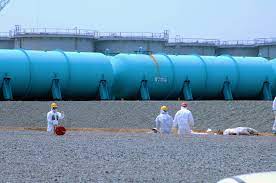
Emergency response specialists from Ukraine, Southeast Asia and Australia gathered in Fukushima Prefecture for an intensive, week-long technical training organized by the International Atomic Energy Agency (IAEA), aimed at strengthening international preparedness for nuclear and radiological emergencies.
Held from 20 to 24 October 2025 at the Fukushima Prefectural Centre for Environmental Creation, the training focused on radiological emergency monitoring, drawing directly on lessons from the 2011 Fukushima Daiichi nuclear accident. The workshop was delivered through the IAEA Response and Assistance Network (RANET) Capacity Building Centre and funded by Japan's Ministry of Foreign Affairs, as part of its continued support to Ukraine amid heightened nuclear safety risks.
Supporting Ukraine and Strengthening Global Cooperation
Ukrainian participation was prioritized in the training, reflecting the country's urgent need to enhance emergency preparedness in the face of ongoing threats to nuclear and radiological safety.
"Japan's experience in emergency response is not just a national asset — it's a global resource," said Karine Herviou, IAEA Deputy Director General and Head of the Department of Nuclear Safety and Security. "By sharing lessons learned from Fukushima Daiichi, we help build resilience far beyond Japan's borders."
Kenichiro Tanaka, Director of the International Nuclear Cooperation Division at Japan's Ministry of Foreign Affairs, underscored Japan's commitment to international nuclear safety."Through IAEA initiatives, Japan has been providing support to Ukraine, which is under threat to nuclear safety. We hope this workshop will help strengthen Ukraine's response capabilities in nuclear and radiological emergencies," he said.
Hands-On Training in Formerly Affected Areas
A defining feature of the workshop was its emphasis on practical, field-based training in areas directly impacted by the 2011 disaster. Participants conducted radiation monitoring and environmental sampling at sites such as the former Kumamachi Elementary School in Okuma Town and Yasuragi-Sou, a community home for the elderly in Namie Town — both uninhabited since the accident.
Under the guidance of experts from the IAEA and Australia's Nuclear Science and Technology Organisation (ANSTO), participants used backpack survey systems, gamma spectrometers and contamination monitors to collect, analyse and interpret radiation data under real-world conditions.
This hands-on exposure allowed trainees to simulate operational challenges faced during emergencies, bridging the gap between theory and practice.
Using Data for Rapid Decision-Making
Another core component of the training was instruction in the IAEA's International Radiation Monitoring Information System (IRMIS). Participants uploaded field data to a secure training platform, learning how to visualize trends, assess exposure levels and support rapid, evidence-based decision-making during emergency situations.
"Training in a real-world environment — where radiation levels can be measured and emergency responses simulated — equips participants with skills they cannot acquire in a purely theoretical setting," Herviou said. "This is especially valuable for countries like Ukraine, where the ability to respond quickly and effectively to radiological incidents is critical."
Building Capacity Across Regions
The workshop brought together participants from Indonesia, Malaysia, Singapore and Ukraine, highlighting the IAEA's broader commitment to strengthening emergency preparedness across regions vulnerable to nuclear and radiological risks.
Japan's Ministry of Foreign Affairs, a long-standing partner in the IAEA's emergency preparedness and response activities, continues to play a key role in ensuring that the lessons of Fukushima inform global standards and operational practices.
Preparing for Future Challenges
Looking ahead, the IAEA plans to expand its capacity-building efforts in Japan, including a RANET Joint Assistance Team Exercise and a dedicated workshop on public communication during nuclear emergencies, with a focus on countering misinformation and disinformation.
"The partnership between the IAEA, Japan and participating countries is vital for strengthening global nuclear safety," Herviou said. "By training together in Fukushima, we are preparing for challenges that know no borders."
The training underscores how international cooperation, grounded in real-world experience, remains essential for protecting people, the environment and critical infrastructure from nuclear and radiological emergencies.
ALSO READ
-
Nuclear Science Brings Cancer Care, Safer Food and Better Water Data Across Regions
-
From Cancer Care to Nuclear Careers, IAEA Conference Puts Global Progress in Focus
-
Türkiye Uses Nuclear Science to Protect Citrus Harvests and Tackle Fruit Fly Damage
-
IAEA and IDB Join Forces to Expand Nuclear Energy in Latin America and Caribbean
-
IAEA Joins Forces With Six Industry Partners to Close Global Cancer Care Divide


 Google News