

Germany's New Economic Reforms: A Pathway to Recovery?
Germany's ruling coalition has announced a comprehensive reform package aimed at revitalizing the economy by cutting red tape, offering tax relief, and boosting investment. This move seeks to address stagnation and improve competitiveness, but the long-term success hinges on effective implementation, analysts say.
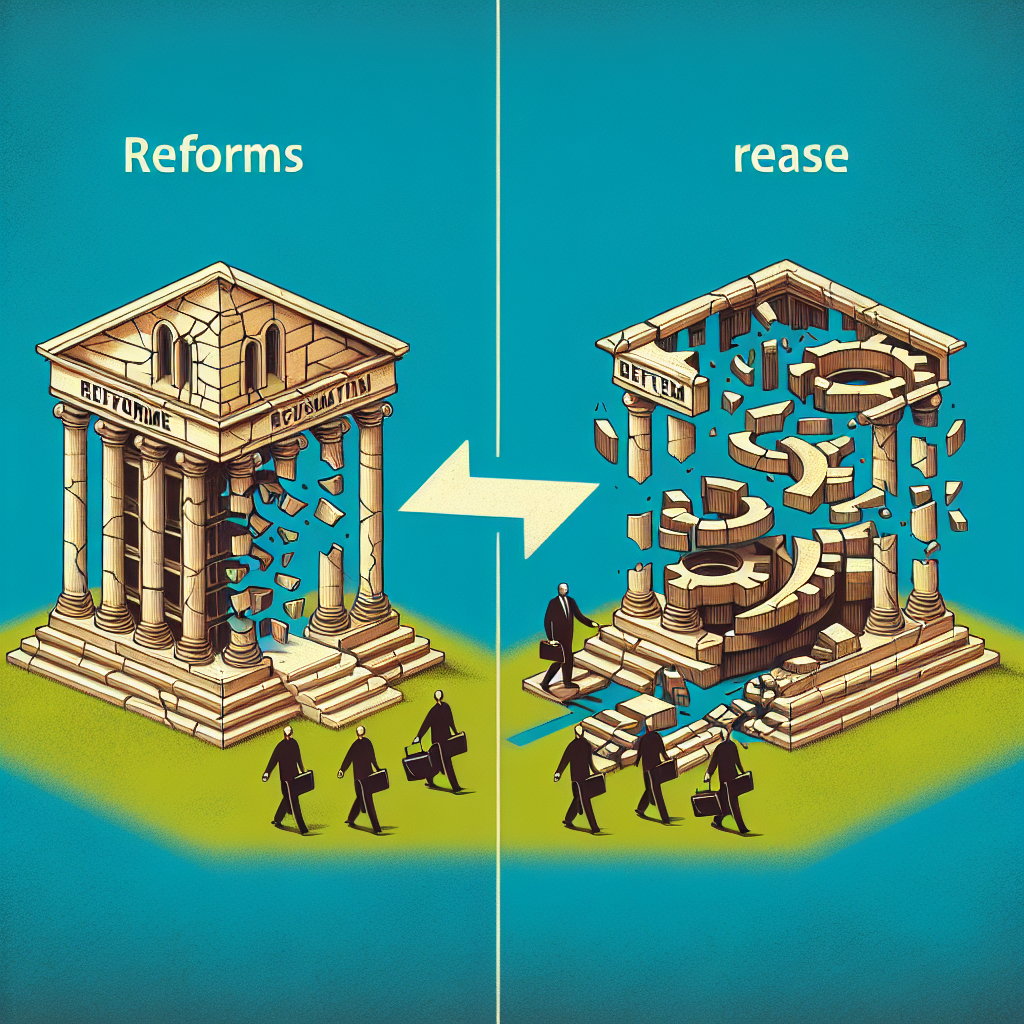
Chancellor Friedrich Merz's coalition has struck a late-night agreement on a wide-ranging reform package intended to breathe new life into Germany's sluggish economy, according to economists and business leaders.
The measures include reducing bureaucracy, providing tax relief to families, offering more flexible job contracts, and stimulating housing investment. These come in addition to the recent proposal to enhance the state pension with a capital element and gradually raise the retirement age.
While the package received both praise and criticism, effective implementation is crucial for achieving the desired economic boost. Failure to deliver could lead to public frustration and bolster support for the far-right AfD party, experts warn.


 Google News