

Mpumalanga Communities Gain Reliable Water Through New Boreholes
The project marks the launch of the Unserved Communities Access Acceleration Programme, which focuses on providing practical and sustainable water solutions for underserved rural areas.
- Country:
- South Africa
More than 1,600 residents in parts of KwaMhlanga, Mpumalanga, now have access to safe drinking water after the Department of Water and Sanitation handed over four new boreholes as part of a programme designed to reach communities that have lived without reliable water services. The project marks the launch of the Unserved Communities Access Acceleration Programme, which focuses on providing practical and sustainable water solutions for underserved rural areas.
New water systems bring relief to four communities
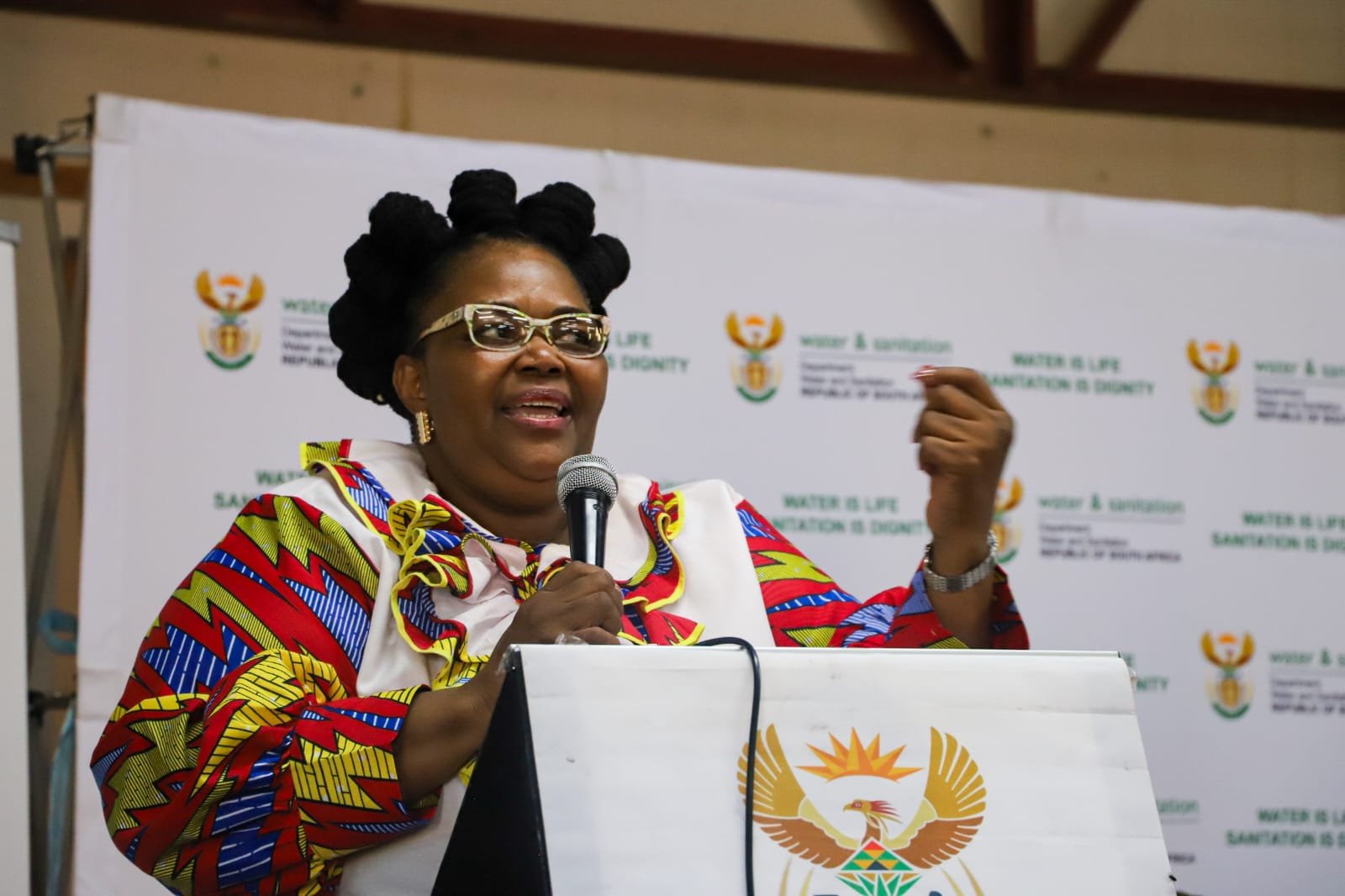
Water and Sanitation Minister Pemmy Majodina officially handed over the four boreholes, valued at around R2 million, during a ceremony attended by Deputy Minister David Mahlobo, Mpumalanga MEC for Cooperative Governance, Human Settlements and Traditional Affairs Speed Katishi Mashilo, and senior representatives from Rand Water and the Rand Water Foundation.
The project was funded and implemented by the Rand Water Foundation before being donated to Thembisile Hani Local Municipality in the Nkangala District. The new underground water supply schemes will serve the communities of Vezubuhle, Gemsbok, Rhenosterfontein Farms and Engwenyameni, all of which previously had limited or no dependable access to clean water.
Each borehole has been fitted with an automated decentralised water purification system that provides treated drinking water while supporting improved sanitation and hygiene standards. The project also included the installation of 10 communal taps, six storage tanks with a capacity of 10,000 litres each, six steel tank stands and a manhole to strengthen the local water supply network.
Decentralised treatment plants improve rural water access
According to Rand Water Group Chief Executive Sipho Mosai, the decentralised purification plants use the same treatment principles as the organisation's major facilities at Zuikerbosch and Vereeniging, although they operate on a much smaller scale to meet the needs of individual communities.
The systems have been installed at Vezubuhle Community Hall, Bawokuhle Primary School in Gemsbok, Rhenosterfontein Farms and Engwenyameni. Together, they are expected to provide sustainable access to clean drinking water for more than 1,600 beneficiaries, including local residents, schoolchildren and farmers.
All four installations have successfully completed water quality testing and comply with the required safety standards, ensuring that the facilities can provide reliable drinking water over the long term.
The decentralised approach is expected to reduce dependence on water tankers while offering a more dependable solution for communities that have experienced inconsistent water supplies and prolonged water shortages.
Government calls for protection of new infrastructure
The launch of the programme coincided with Mandela Month, which is observed every July, reinforcing the government's commitment to improving living conditions in communities that have historically lacked essential services.
Addressing residents in Gemsbok after the handover, Minister Majodina said the project represented more than new infrastructure, describing it as an investment in dignity, justice and better opportunities for rural communities. She said ensuring that children spend their time in classrooms rather than searching for water was one of the most meaningful ways to honour Nelson Mandela's legacy.
The Minister explained that while major regional water projects remain important, many rural communities require immediate interventions that can deliver practical relief. She said the Unserved Communities Access Acceleration Programme combines urgent action with long-term sustainability through borehole development, spring protection, rainwater harvesting, rehabilitation of damaged infrastructure and targeted expansion of local water distribution networks.
Majodina also reaffirmed the department's commitment to working closely with municipalities to identify communities that still lack basic water services and appealed to residents to protect the newly installed infrastructure from vandalism and theft. She noted that repairing damaged pipelines diverts limited public funds away from expanding services to other communities that are still waiting for reliable access to clean water.


 Google News