

Mantashe Says South Africa Must Chart Its Own Energy Transition
Mantashe credited Eskom's investment in improving the performance of its coal-fired power stations for helping South Africa remain free of load shedding.
- Country:
- South Africa
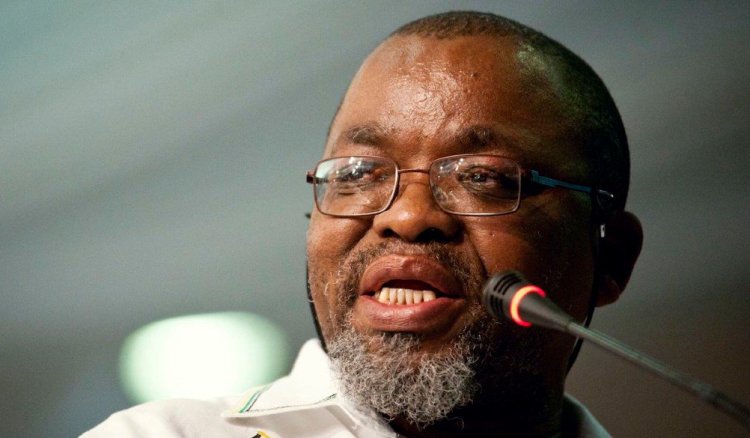
South Africa's shift towards a lower-carbon economy should be guided by the country's own development priorities rather than external pressure, Mineral and Petroleum Resources Minister Gwede Mantashe said, arguing that energy security, economic growth and poverty reduction must remain at the centre of every decision. Speaking at the 8th Coal and Energy Transition Day in Johannesburg, Mantashe said the global debate on energy transition often overlooks the realities facing developing nations, where reliable electricity and job creation remain urgent priorities.
Mantashe said the discussion should not be framed as a choice between coal and renewable energy. Instead, he believes the focus should be on reducing carbon emissions while protecting economic growth, industrial competitiveness and a stable electricity supply. He argued that environmental protection and economic development should work together, adding that a successful transition cannot leave millions of people without jobs, electricity or opportunities to improve their lives.
According to the minister, every country should be able to determine the pace and structure of its own transition based on its economic and social circumstances.
Coal remains central to the economy
The minister described coal as one of the foundations of South Africa's economy, supporting employment, export earnings, industrial production and most of the country's electricity generation.
He pointed to International Energy Agency data showing that global coal demand increased by 1.5% in 2024, while production rose by 1.4%, saying these figures demonstrate that coal continues to play an important role in powering economies worldwide.
Mantashe also cited a departmental study indicating that South Africa's current coal reserves could last for around 200 years at existing production levels. He said this is one of the reasons coal has been recognised as a critical mineral in the country's Critical Minerals and Metals Strategy, where it is viewed as a resource that can support economic growth, employment and poverty reduction.
He also noted that South Africa's coal industry has undergone significant transformation, with much of the sector now being black-owned and black-managed.
Cleaner technologies remain part of the plan
While defending coal's role, Mantashe acknowledged that burning coal produces carbon emissions and said government continues to invest in technologies that can reduce the environmental impact while allowing the resource to remain part of the country's energy mix.
Among the projects highlighted was the Carbon Capture, Utilisation and Storage (CCUS) Pilot Project at Leandra in Mpumalanga, which is preparing to enter its pilot-scale injection phase. The project is expected to test geological storage potential, generate scientific evidence for future regulations and demonstrate the commercial viability of carbon capture technologies.
He also highlighted Mintek's Coal Reimagined Programme, which is exploring new uses for coal waste to recover valuable minerals and create additional economic opportunities.
Reliable electricity remains a priority
Mantashe credited Eskom's investment in improving the performance of its coal-fired power stations for helping South Africa remain free of load shedding. He said the improvement reinforces the need for an energy transition that protects electricity security while gradually lowering emissions through new technologies and innovation.
ALSO READ
-
Why Eastern Europe’s Carbon Future Depends on Cleaner Energy, Not Economic Uncertainty
-
Clean Energy’s $2 Trillion Funding Challenge Puts People and Nature in the Spotlight
-
Naftogaz Sets Out Cleaner Energy Future With EIB Support and 2050 Net Zero Target
-
EIB and BNP Paribas Back Europe’s Energy Grids With €2.8 Billion Investment
-
Carbon Capture Could Cut Solar Power Waste and Battery Needs Across ASEAN


 Google News