

PSC Warns Late Government Payments Are Hurting Small Businesses
Gxoyiya said delayed payments are driven by weaknesses in supply chain management, including poor monitoring, inadequate consequence management and weak oversight at operational level.
- Country:
- South Africa
South Africa's Public Service Commission (PSC) has raised concerns over the growing number of government invoices that remain unpaid beyond the legally required 30-day period, warning that delayed payments are placing severe financial pressure on small businesses and undermining economic growth.
Unpaid invoices continue to rise across government
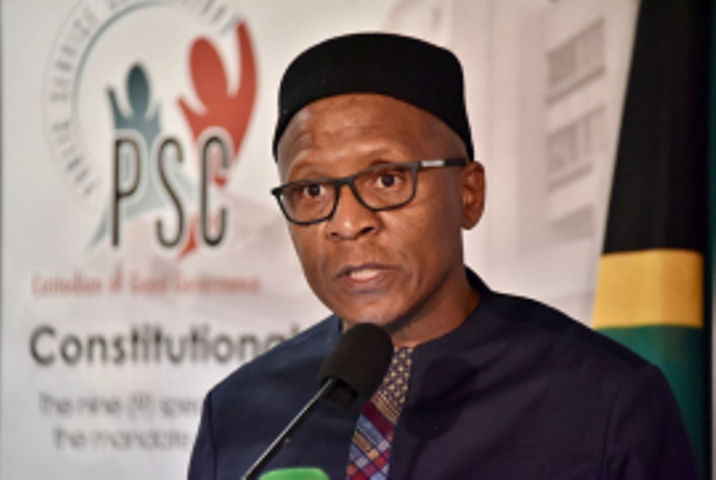
Speaking in Pretoria, PSC Commissioner Anele Gxoyiya said the failure by government departments to settle invoices within 30 days violates the Public Finance Management Act and continues to threaten the sustainability of Small, Medium and Micro Enterprises (SMMEs).
According to the National Treasury's third-quarter report for the 2025/26 financial year, government departments had 90,856 invoices outstanding for more than 30 days, with a total value of R15.5 billion. Provincial departments accounted for about 98 percent of both the unpaid invoices and their total value, highlighting the scale of the challenge at provincial level. During the same quarter, national and provincial departments paid 89,499 invoices after the 30-day deadline, amounting to R10.8 billion.
Structural weaknesses blamed for payment delays
Gxoyiya said delayed payments are driven by weaknesses in supply chain management, including poor monitoring, inadequate consequence management and weak oversight at operational level. He explained that many small businesses rely on timely government payments to maintain cash flow. When payments are delayed, suppliers are often forced to borrow money to fulfil contracts, while some are compelled to reduce staff or shut down their businesses altogether.
The Commissioner added that inefficient internal controls, fragmented communication between departments, delays in verifying invoices and continued reliance on manual processes are further extending payment cycles and increasing the risk of administrative errors.
PSC calls for stronger accountability
The PSC identified several national departments among the biggest contributors to late or unpaid invoices during the third quarter, including the Departments of Home Affairs, Land Reform and Rural Development, Forestry, Fisheries and the Environment, Justice and Constitutional Development, as well as the Water and Sanitation and Public Works trading accounts. The Department of Defence recorded the highest number of invoices paid after 30 days, while the Department of Public Works and Infrastructure reported the second-highest number among national departments.
Gxoyiya warned that continued delays are inconsistent with government's objectives of promoting economic development, creating jobs and reducing poverty. He called for stronger accountability, better monitoring systems and improved financial management to restore supplier confidence and strengthen the efficiency of public sector supply chains.


 Google News